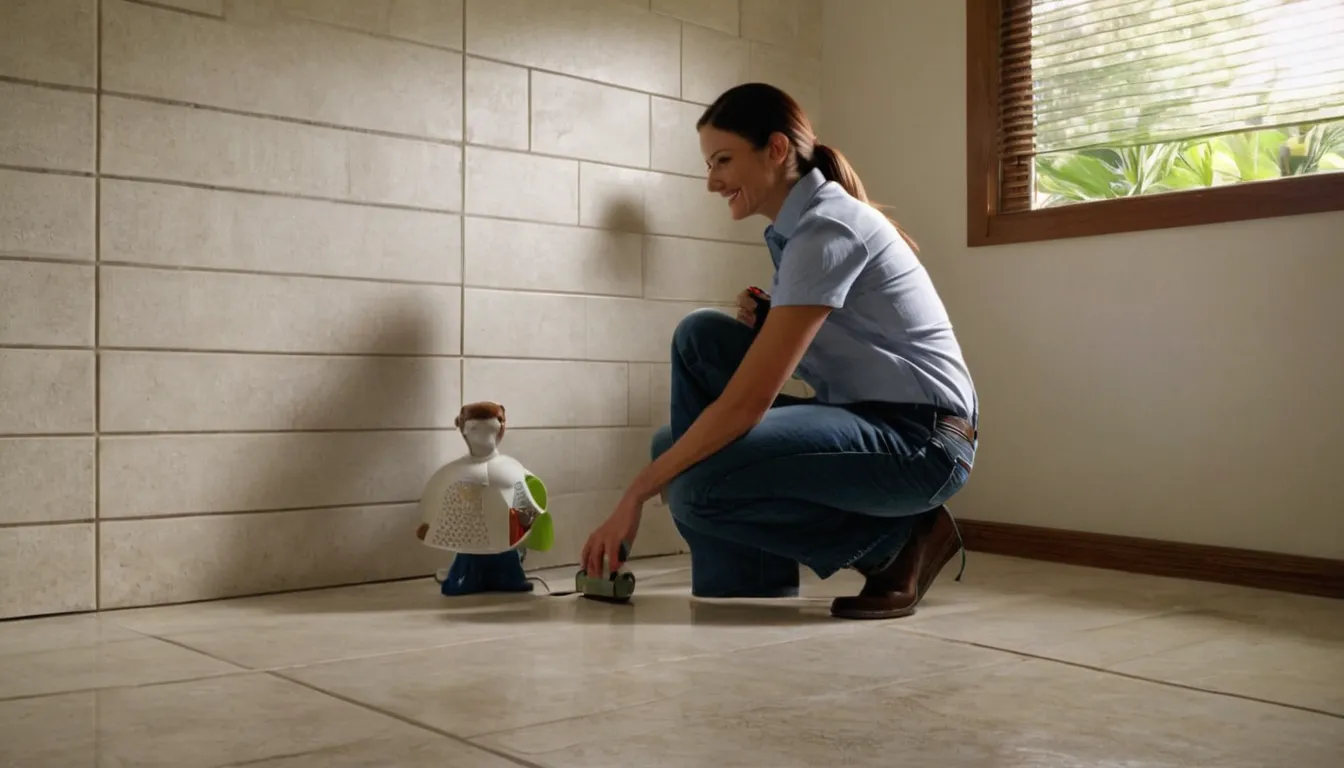
Termite Treatment for Aventura Homes
Request a termite estimate
Termites are quiet. They eat wood from the inside, and you may not notice the damage for months. In a warm, humid place like the Aventura area, they can stay active for much of the year. If you spot something odd, such as mud tubes, discarded wings, or soft, hollow-sounding wood, act soon.
Announcementdry Pest Control is a referral service. Providers in our network do the treatment, not Announcementdry Pest Control. We match you with an independent local provider who can inspect your home, explain your options in plain words, and give you a written quote. You pick the time that fits your family. You decide what happens next. There is no obligation to hire anyone.
Use this site to learn the warning signs, see typical U.S. price ranges, and send a request when you are ready.
Think You Have Termites? Start Here
Answer first: get an inspection. Do not wait for proof.
Termites hide inside walls, trim and framing. By the time damage shows, it has often been going on a while. A short inspection tells you what is real and what is not.
Your Calm First Hour
Take a breath. This is fixable, and it rarely turns into an emergency in one evening.
Do This
- Take clear photos of what you see.
- Note the room, the date and the spot.
- Keep a small sample of wings or debris in a sealed bag.
- Request an estimate.
Skip This
- Do not spray store-bought products on the spot. It can scatter the colony.
- Do not tear out walls or trim yet.
- Do not move infested wood to another part of the home.
Why Termites Need Prompt Attention
Reason one: they work all day and all night. They never take a break.
Reason two: the damage is usually hidden. Small signs can point to a bigger problem behind drywall or under flooring.
Reason three: repairs cost more the longer you wait. An early visit keeps your options open.
Warning Signs to Look For
You do not need to be an expert. Just look for these.
- Mud tubes, thin brown lines on foundation walls, slab edges or garage walls.
- Discarded wings near windows or doors, often after a warm rain.
- Wood that sounds hollow when you tap it.
- Paint that bubbles or sags with no leak.
- Doors and windows that suddenly stick.
- Tiny pellets that look like sand or coffee grounds, often near wood.
Swarmers Are a Big Clue
Winged termites often appear after a rain in warm months. If you see them indoors, the colony may be close. Take a photo and share it with the provider.
Types of Termites
The type matters. It changes the plan.
Subterranean Termites
These live in soil and travel through mud tubes. They need moisture. Humid climates and almost daily summer storms suit them well. They can get into concrete block homes through slab cracks and joints.
Drywood Termites
These live inside the wood itself. They do not need soil contact. Look for small pellets and tiny holes in wood. Roof lines, attic framing, furniture and trim are common spots.
Dampwood Termites
These prefer very wet wood. They show up where there is a leak or long-term moisture. Fixing the water problem is part of the answer.
How Termite Treatment Works
Short version: inspect, pick a method, treat, check back.
Step One: Inspection
The provider checks the slab edges, attic, garage, trim and any wood near soil. Many will use a moisture meter and a flashlight. Ask them to show you what they find.
Step Two: A Plan in Writing
You get a written quote. It should name the termite type, the method and the areas covered. Ask about any warranty terms in writing too. Warranties vary by provider.
Step Three: Treatment
Common methods:
- Liquid soil treatment: a barrier around the home for subterranean termites.
- Bait stations: placed around the yard and checked over time.
- Spot or local treatment: for small drywood areas.
- Whole-structure treatment: such as tenting or heat, for wider drywood problems.
Some methods may need you to leave the home for a short time. Ask early so you can plan around school and work.
Keeping Disruption Low
You have a full week. Say so. Providers can often schedule around school runs and work hours.
Tell them about pets, kids, and any work-from-home days. Ask what to move before the visit, such as items along walls or in the garage. A short checklist saves time.
Termite Inspections for Home Sales
Buying or selling? Lenders and buyers often ask for a wood-destroying insect report. It is common in many states.
If you are selling, an early inspection avoids surprises at closing. If you are buying, ask for the report before you commit. Timelines can be tight, so request an estimate early and tell the provider your closing date.
Choosing a Termite Provider
Keep it simple. Ask these questions.
- Is the provider licensed in your state? Ask to see it.
- Does the quote name the termite type and method?
- What does it cover, and for how long?
- Is there a re-check or follow-up visit?
- Will they explain the products used?
Get more than one quote if you can. Compare the details, not just the price.
After Treatment
Follow the provider's notes. They know the product they used.
- Keep soil and mulch pulled back from your foundation.
- Fix leaks and drips fast.
- Point downspouts and sprinklers away from walls.
- Store firewood and scrap wood away from the house.
- Schedule follow-up checks as advised.
Storm season adds moisture. After heavy rain, take a quick walk around the outside of your home.
Insurance and Documentation
Many home policies exclude termite damage. Some policies may cover sudden damage from other causes, so check your policy. Providers can often help document damage for a claim. Save your reports and receipts.
Ready When You Are
You do not need to be sure it is termites. You just need a look.
What's Included
Full Inspection
A provider checks slab edges, attic, garage and trim for live activity and past damage.
Written Quote
Get the method, the areas covered and the terms spelled out on paper.
Treatment Plan
Soil, bait or wood treatment, matched to the termite type found.
Follow-Up Checks
Many providers offer re-checks, so ask what is included and how long it lasts.
Typical Termite Treatment Costs
Prices vary by home size, termite type and method. These are typical U.S. ranges only. Always get a written quote before you agree to any work.
| Item | Typical range | Notes |
|---|---|---|
| Termite inspection | $75 – $300 | Some providers bundle it with treatment |
| Liquid soil barrier | $1,200 – $2,500 | Depends on the length of the foundation |
| Bait station system | $1,500 – $3,000 | Often includes monitoring visits |
| Spot treatment (drywood) | $250 – $900 | A good fit for small, local areas |
| Whole-structure treatment | $1,500 – $4,000+ | Tenting or heat; varies with home size |
| Annual protection plan | $250 – $800 per year | Terms differ; read what is covered |
How It Works
Share What You See
Tell us about the signs, the rooms and anything you have noticed. Photos help.
Request an Estimate
Send the form. A local provider in our network follows up with you.
Book an Inspection
Pick a time that fits your family. Ask the provider about availability.
Review the Quote
Read the written plan. Ask questions. Then decide on your own terms.
Why Call Announcementdry Pest Control
Plans Around Your Week
Tell providers your schedule. Many can work around school runs, jobs and busy weekdays.
Plain Answers
You get simple explanations of what was found, what it means and what your choices are.
Local Providers
Providers in our network know area homes, from concrete block slabs to older subdivisions.
No Obligation
Request an estimate and compare. You decide whether to move ahead.
Other Services
Need termite treatment in Aventura?
Tell us what you are seeing. Send the request form or email contact@announcementdry.garden. A provider in our network will follow up with next steps.
No obligationTermite Treatment FAQ
How do I know if I have termites?
Look for mud tubes, discarded wings, hollow-sounding wood, sagging paint and tiny pellets. If you spot any of these, request an inspection. A provider can confirm what is happening and what type of termite it is.
How long does termite treatment take?
It depends on the method. Spot treatments can be quick. Soil barriers may take most of a day. Bait systems install fast but work over months. Whole-structure jobs may take a few days. Ask the provider for a timeline.
Does homeowners insurance cover termite damage?
Often not. Many policies exclude termite damage as a maintenance issue. Some policies may cover sudden damage from other causes, so check your policy. Providers can often help document damage for a claim.
Reach a local provider
Tell us what you are seeing. Send the request form or email contact@announcementdry.garden. A provider in our network will follow up with next steps.
No obligation